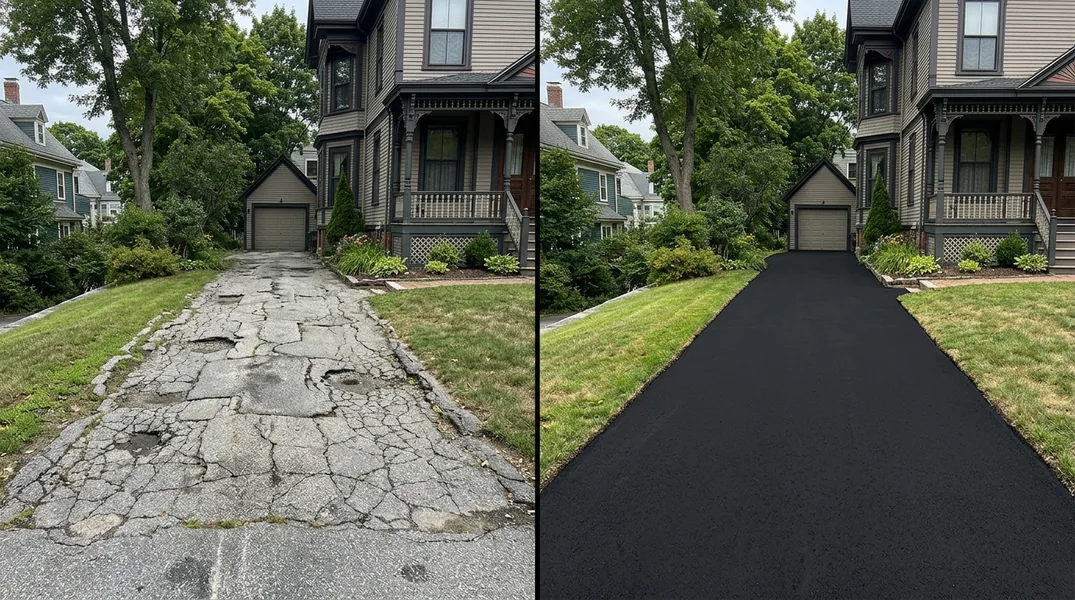
Understanding Portland's Soil: Why Geography Matters for Your Driveway
If you own a home in Portland, you've likely noticed that your neighbor's driveway might be cracking while another down the street remains pristine. The difference isn't always about the quality of installation or the age of the asphalt. Often, it comes down to what lies beneath: the soil composition of your specific neighborhood. Portland is geographically diverse, with dramatically different soil types across its various neighborhoods, and this variation has a profound impact on how your driveway performs over time.
The Back Cove area, for instance, sits atop clay-rich soils that were deposited during the last ice age. This clay expands when it absorbs water and contracts when it dries out. Over the course of Portland's harsh winters and wet springs, this constant expansion and contraction creates tremendous pressure beneath your asphalt. In contrast, neighborhoods built on ledge or more stable soil bases experience far less of this movement, which translates to fewer cracks, potholes, and the need for costly repairs.
The Back Cove Clay Problem: How Soil Movement Destroys Asphalt
Back Cove's clay soil is particularly problematic because of its moisture sensitivity. When water infiltrates the soil below your driveway, clay particles absorb it and swell. This upward pressure is called heave, and it's one of the most destructive forces working against your asphalt surface. Homeowners in Back Cove often report that their driveways develop cracks in a pattern that looks almost like a map of fault lines, with some sections heaving upward more than others. This uneven movement is the hallmark of clay soil problems.
The freeze-thaw cycle makes this problem exponentially worse. Water trapped in clay soil freezes during Portland's winter months, expanding with tremendous force. When spring arrives and the ice melts, the soil contracts, leaving voids beneath your asphalt. This repeated cycle of expansion and contraction weakens the structural integrity of your driveway foundation, leading to surface cracks that quickly develop into larger problems requiring Pothole Repair & Asphalt Patching or more extensive Driveway Repair.
Munjoy Hill Ledge: Why Some Portland Neighborhoods Stay Crack-Free
Munjoy Hill and similar neighborhoods built on bedrock or ledge soil have a completely different story. Ledge is essentially solid rock, and while it can be challenging to excavate for construction, it provides an incredibly stable foundation for driveways. Ledge doesn't absorb water the way clay does, and it doesn't expand or contract with temperature changes. This stability means that driveways built on ledge-based soil experience significantly less movement, resulting in fewer cracks and a longer lifespan before Asphalt Resurfacing & Overlay becomes necessary.
Homeowners in Munjoy Hill and other ledge-based areas often enjoy driveways that remain relatively crack-free for 15 to 20 years or more, provided they receive basic maintenance. The contrast is striking when you compare neighborhoods just a few miles apart in Portland. A Back Cove driveway might show significant cracking within 8 to 10 years, while a Munjoy Hill driveway of the same age remains smooth and intact. This isn't a reflection on the asphalt itself, but rather on the foundation beneath it.
Frost Heave Driveway Repair: Addressing the Root Cause
If you live in a clay-soil area like Back Cove and you're experiencing driveway problems, understanding frost heave is critical. Frost heave occurs when water in the soil freezes and expands, pushing upward on whatever sits above it, including your asphalt. Over multiple winters, this repeated heaving can create visible bumps and cracks in your driveway surface. The challenge with frost heave repair is that simply patching the surface doesn't solve the underlying problem. The soil will continue to move, and new cracks will develop.
Proper frost heave driveway repair requires addressing both the surface damage and the drainage issues that allow water to accumulate beneath your driveway in the first place. This might involve improving grading to direct water away from the driveway, installing or repairing drainage systems, and ensuring that the base layer beneath your asphalt is properly constructed to minimize water infiltration. In some cases, homeowners must decide whether to invest in comprehensive repair or to consider a complete replacement. Portland Asphalt Paving can evaluate your specific situation and recommend the most cost-effective solution for your property.
Repair or Replace Asphalt Driveway: Making the Right Choice for Your Soil Type
The decision to repair or replace asphalt driveway depends on several factors, but soil type should be a primary consideration. If you own a property in a stable soil area like Munjoy Hill, targeted repairs using Pothole Repair & Asphalt Patching techniques can extend your driveway's life significantly. A few cracks or potholes in stable soil are typically manageable problems that don't indicate a need for full replacement.
However, if you're in a clay-soil area and you're experiencing widespread cracking, multiple potholes, or visible heaving, replacement may be the more economical choice in the long run. Continuous repairs on a driveway with an unstable foundation become expensive and frustrating. When you replace your driveway, you have the opportunity to improve the base construction, enhance drainage, and potentially install a thicker, more durable asphalt layer designed to withstand the specific challenges of your soil type. Portland Asphalt Paving specializes in both repairs and complete Asphalt Driveway Paving & Installation, and our team can help you understand which approach makes sense for your situation. Contact us at (207) 618-6493 for a free estimate.
Protecting Your Driveway: Maintenance Strategies Based on Your Soil
Regardless of whether you live on clay or ledge, proper maintenance extends driveway life. However, the maintenance strategy should be tailored to your soil conditions. For homeowners in clay-soil areas, the priority is managing water. Keep gutters clean so that water drains away from your home and driveway. Grade your landscaping to slope away from the driveway, and consider installing a perimeter drain if water tends to pool near the surface. Seal cracks promptly to prevent water from infiltrating the base layer, which accelerates frost heave damage.
For homeowners in stable soil areas, maintenance is more straightforward. Regular sealcoating every two to three years protects the asphalt surface and extends its lifespan. Prompt patching of small cracks prevents them from expanding into larger problems. Snow removal and de-icing practices should be managed carefully to avoid unnecessary damage. Whether your Portland property sits on clay or ledge, the key is staying proactive. Small maintenance investments now prevent larger repair costs later. If you're unsure about the best maintenance approach for your driveway, Portland Asphalt Paving's team is happy to advise you during a site visit.
Looking for a professional asphalt paving contractor in Portland? Portland Asphalt Paving responds fast for all your asphalt paving needs.
Get a Free Quote