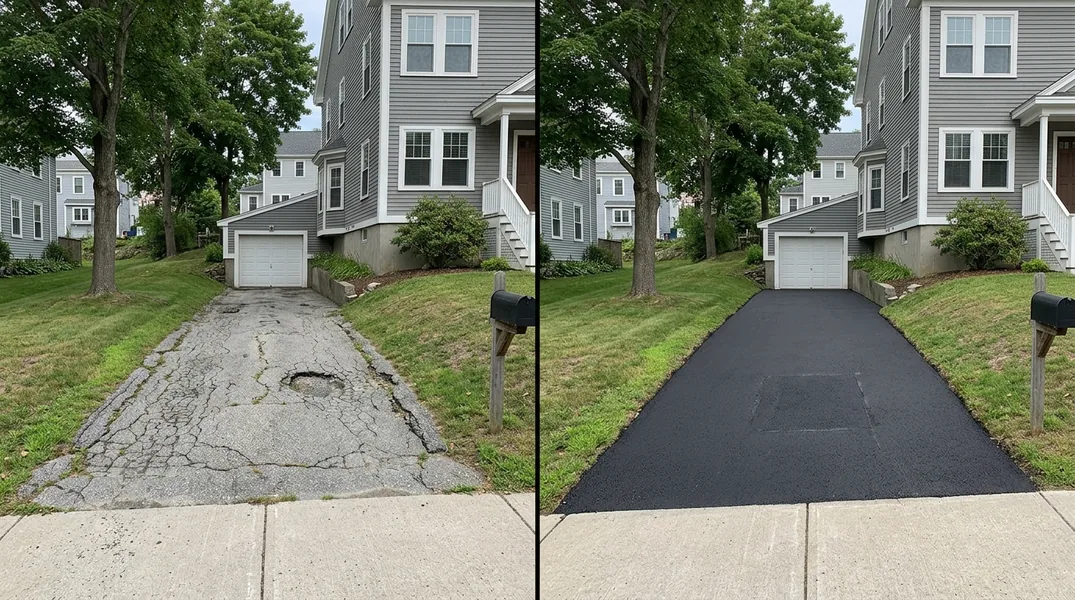
What Are Alligator Cracks and Why Do They Matter?
Alligator cracks are a pattern of interconnected fissures that resemble the skin of an alligator, spreading across your asphalt surface in a web-like formation. Unlike simple surface cracks that appear as single lines, alligator cracks indicate structural failure beneath the pavement. They typically start small but expand rapidly, allowing water to penetrate deep into the base layers of your driveway.
In Portland, where freeze-thaw cycles are common, this type of damage accelerates quickly. Water seeps into the subbase, freezes during winter, and expands, pushing the asphalt upward and creating more cracks. Once you see the alligator pattern forming, your driveway is already experiencing significant structural compromise. The longer you wait to address it, the more expensive the repair becomes.
Repair or Replace: How to Make the Right Decision
The choice between Driveway Repair and full replacement depends on the extent of the damage and the age of your driveway. If alligator cracks cover less than 25 percent of your driveway's surface and your pavement is relatively young (under 10 years old), targeted repairs may be sufficient. Pothole Repair & Asphalt Patching can address isolated problem areas, and proper Asphalt Resurfacing & Overlay solutions can extend the life of your pavement by several years.
However, if alligator cracks cover more than 25 to 30 percent of your driveway, or if your asphalt is already 15 to 20 years old, replacement is typically the more cost-effective long-term solution. Repair work on severely damaged driveways often becomes a temporary fix, with new problems emerging within a year or two. Full Asphalt Driveway Paving & Installation gives you a fresh surface with a new warranty and predictable lifespan.
Understanding How Long for Asphalt to Cure After Installation
When you invest in new asphalt paving, understanding the curing process is essential for protecting your investment. Asphalt doesn't reach full strength immediately after installation. The material goes through a curing phase where it hardens and bonds properly to the base layers. In South Portland and surrounding areas, weather conditions play a significant role in this timeline.
Typically, how long for asphalt to cure ranges from 48 hours to several weeks, depending on temperature, humidity, and traffic load. During the first 48 hours, your new asphalt reaches about 85 to 90 percent of its full strength, but the material continues to harden for up to 30 days. During warm weather, curing accelerates, while cold or rainy conditions slow the process. This is why Portland Asphalt Paving provides specific care instructions based on seasonal conditions when your driveway is installed.
How Long Before You Can Drive on New Asphalt?
One of the most common questions homeowners ask is how long before you can drive on new asphalt. The answer depends on traffic type and weight. Light foot traffic is generally safe within 24 to 48 hours, but vehicle traffic requires more patience. Most professionals recommend waiting at least 48 to 72 hours before driving regular passenger vehicles on newly paved asphalt. Heavy vehicles like delivery trucks, RVs, or construction equipment should wait 7 to 14 days.
Driving too soon can cause rutting, soft spots, and permanent damage to the pavement surface. The asphalt needs time to fully cool and cure before bearing significant weight. If you must park on your new driveway during the curing period, position vehicles on the outer edges rather than concentrated areas. Avoid sharp turns, hard braking, and prolonged idling, as these actions create stress points in the still-curing material. Portland Asphalt Paving will provide detailed instructions when your project is completed to ensure you get the maximum lifespan from your investment.
New Asphalt Driveway Care: Protecting Your Investment
Proper maintenance during the first year of new asphalt driveway care is critical for long-term durability. Your new pavement is vulnerable to damage from UV rays, weather exposure, and chemical spills during the initial curing and seasoning period. Avoid parking in the same spot repeatedly during the first few months, as concentrated weight can create permanent depressions. Keep heavy objects, such as storage containers or equipment, off the surface until the asphalt has fully cured.
During the first year, monitor your driveway for any signs of settling or minor cracking. Small surface cracks are normal as the asphalt continues to cure, but larger issues should be addressed promptly. Avoid using harsh chemicals or salt-based de-icers immediately after installation, as these can degrade the fresh surface. Sweep away debris regularly and rinse the surface with water to remove dirt and pollen. These simple steps help preserve your pavement's appearance and structural integrity.
How Often to Seal Driveway: A Portland Homeowner's Guide
One of the most important aspects of new asphalt driveway care is understanding how often to seal driveway surfaces. Seal coating creates a protective barrier against UV rays, water infiltration, and chemical damage. For new asphalt in Westbrook and Falmouth, most experts recommend waiting 12 months before applying the first seal coat. This allows the asphalt to fully cure and release any residual oils.
After that initial seal coat, you should reapply seal coating every 2 to 3 years, depending on traffic volume and weather exposure. Portland experiences significant moisture and temperature fluctuations, which accelerate asphalt deterioration. Regular seal coating extends your driveway's lifespan by 5 to 10 years and prevents the formation of alligator cracks by keeping water out of the subbase layers. If you're unsure about your specific maintenance schedule, Portland Asphalt Paving can assess your driveway and recommend a customized care plan. Contact us at (207) 618-6493 to discuss your driveway's needs.
Getting Professional Help: When to Call Portland Asphalt Paving
Deciding whether to repair or replace your damaged driveway is a significant decision, and professional expertise makes all the difference. Portland Asphalt Paving has extensive experience evaluating driveways with alligator cracks and determining the most cost-effective solution for each situation. Our team can assess the extent of damage, evaluate the condition of the subbase, and provide honest recommendations about whether targeted repairs or full replacement is right for your property.
If you're seeing alligator cracks developing on your Portland driveway, don't wait for the damage to worsen. Contact us today for a free estimate and professional assessment. Call (207) 618-6493 or visit our website to schedule your consultation. We serve homeowners throughout the Portland area and are ready to help you make the right choice for your driveway's future.
Looking for a professional asphalt paving contractor in Portland? Portland Asphalt Paving responds fast for all your asphalt paving needs.
Get a Free Quote