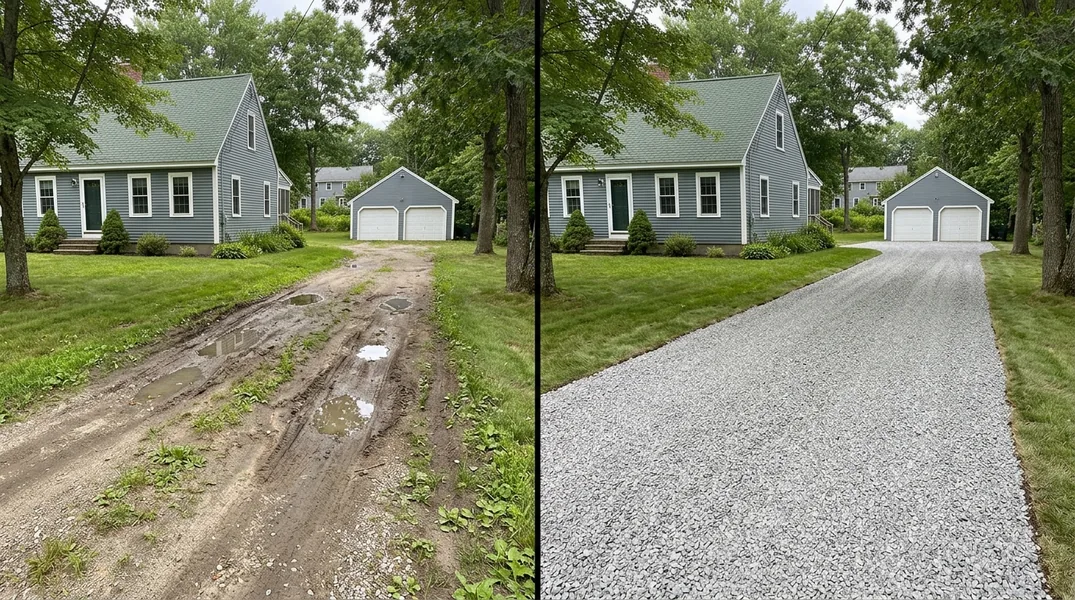
Winter's Toll: How Nor'easters and Frost Heave Damage Your Driveway
Maine winters are unforgiving, and Portland homeowners know this all too well. The combination of heavy nor'easters, freeze-thaw cycles, and frost heave creates the perfect storm for driveway damage. When spring arrives and the snow melts, many homeowners are shocked to discover cracks, potholes, and surface deterioration that seemed invisible just weeks before.
Frost heave occurs when moisture in the soil beneath your driveway freezes and expands, pushing upward with tremendous force. This natural phenomenon can crack asphalt, create uneven surfaces, and cause water to pool in low spots. Once water collects in these areas, it seeps deeper into the base layer, weakening the foundation of your driveway. The next freeze-thaw cycle makes the problem worse, and by spring, you may be facing significant structural damage that requires professional attention.
The nor'easters that batter Portland throughout winter accelerate this damage. Heavy snow loads stress the asphalt, and road salt used to melt ice chemically attacks the binder that holds asphalt together. When combined with the physical stress of plowing and the constant moisture infiltration, your driveway takes a beating. Understanding this damage cycle is the first step toward protecting your investment.
Spotting the Damage: What to Look for This Spring
As temperatures warm and the snow melts away, take time to inspect your driveway carefully. Early detection of damage makes repairs more affordable and prevents small problems from becoming major expenses. Look for visible cracks, especially those that branch out like spider webs or run in straight lines. These indicate stress fractures caused by frost heave or the base layer settling unevenly.
Potholes are another telltale sign of winter damage. These holes form when water gets trapped beneath the asphalt surface, freezes, and then thaws, leaving a void. As vehicles drive over these voids, the asphalt collapses inward. If you notice areas where water pools after rain, this is a red flag that your driveway's drainage has been compromised. Bumpy or uneven surfaces, especially noticeable when driving slowly, indicate that frost heave has lifted sections of pavement. Don't ignore these warning signs. Early intervention with Pothole Repair & Asphalt Patching can prevent the need for complete driveway replacement down the road.
How to Choose a Paving Contractor: Questions to Ask Before You Hire
When spring damage appears on your driveway, you'll want to get it fixed quickly. However, rushing into a decision with the first contractor who knocks on your door can be a costly mistake. The asphalt paving industry has its share of dishonest operators, and knowing what questions to ask will protect you from scams and poor workmanship.
Start by asking about the contractor's licensing and insurance. A legitimate paving company carries liability insurance and workers' compensation coverage. Ask to see proof of both. In Maine, contractors should be registered with the Maine Department of Professional and Financial Regulation. Don't assume a company is legitimate just because they have a truck and tools. Ask for references from recent projects in your area and actually call those homeowners. A reputable contractor will happily provide contact information from satisfied customers.
Next, inquire about the specific materials and methods they'll use. Will they remove the old asphalt or apply an overlay? What's the thickness of the new asphalt layer? How will they prepare the base? These details matter enormously for durability. Ask about warranties on their work. Most quality contractors offer at least a one-year warranty on labor and several years on materials. If a contractor won't guarantee their work, that's a warning sign.
Finally, ask for a detailed written estimate that breaks down labor, materials, and equipment costs. This brings us to one of the most common scams in the industry.
Avoiding Leftover Asphalt Scams and Other Common Driveway Paving Scams
One of the most prevalent driveway paving scams is the 'leftover asphalt' scheme. Here's how it works: a contractor claims to have extra asphalt from a nearby job and offers to pave your driveway at a 'special discount' price. This sounds like a great deal, but it's almost always a trap. Leftover asphalt is often old, improperly stored, or contaminated. When applied to your driveway, it won't compact properly, won't cure correctly, and will fail within months. You'll be left with a crumbling surface and no recourse because the contractor has already moved on to the next victim.
Another common scam involves vague pricing and hidden fees. A contractor quotes you a low price over the phone, but when the work begins, they discover 'unexpected' problems that require additional charges. Suddenly, you're paying thousands more than the original estimate. Always insist on a detailed, written estimate that includes all costs upfront. If a contractor seems evasive about pricing or won't provide an estimate in writing, walk away.
Some contractors also cut corners on preparation and base work, which you can't see once the asphalt is laid. They might skip proper grading, fail to address drainage issues, or use inadequate base material. These shortcuts mean your driveway will fail prematurely. Ask specifically about how they'll prepare the site and what materials they'll use for the base layer.
To protect yourself, always get multiple quotes from different contractors. Compare not just the price but what's included in each estimate. Check online reviews and the Better Business Bureau. Ask contractors directly about their process for handling leftover asphalt (responsible contractors recycle it properly) and their approach to base preparation. Taking time to vet your contractor now will save you money and frustration later.
Asphalt Driveway Repair Options: From Patching to Complete Resurfacing
Once you've chosen a reputable contractor, you'll need to decide what type of repair your driveway needs. The extent of spring damage determines whether you need simple patching or more comprehensive work. For minor cracks and small potholes, Pothole Repair & Asphalt Patching is an economical solution that can extend your driveway's life by several years. This approach is ideal if your driveway is less than 10 years old and the damage is limited to specific areas.
If your driveway shows more widespread damage, cracking across multiple areas, or signs of base layer failure, Asphalt Resurfacing & Overlay might be the better choice. This process involves milling off the top layer of damaged asphalt and applying a new layer on top of the existing base. It's less expensive than complete removal and replacement but more comprehensive than patching. Resurfacing works well when the base is still sound but the surface has deteriorated from age and weather exposure.
For driveways with severe base damage, extensive cracking, or multiple failed patches, complete Asphalt Driveway Paving & Installation is necessary. This involves removing the old asphalt entirely, properly preparing and grading the base, and installing new asphalt from the ground up. While this is the most expensive option, it provides the longest-lasting solution and allows the contractor to address any underlying drainage or grading problems that caused the original failure.
Asphalt Driveway Repair Cost in Portland: What to Budget for Spring Repairs
Understanding the financial investment required for driveway repair helps you make informed decisions. The pricing for spring repairs varies significantly based on the type and extent of damage. Simple pothole patching might cost a few hundred dollars, while more extensive work can run into thousands. Several factors influence the final cost, including the size of your driveway, the severity of damage, local labor rates, and current asphalt material costs.
For a rough estimate, patching typically costs between $300 and $800 per area, depending on size and complexity. Driveway Repair through resurfacing generally ranges from $2,000 to $5,000 for an average residential driveway, while complete removal and replacement can cost $5,000 to $15,000 or more. These figures are approximate and can vary based on your specific situation. The best way to understand your costs is to request a free estimate from a qualified contractor who can evaluate your driveway in person.
It's tempting to choose the cheapest option, but remember that quality work costs more for good reasons. Proper base preparation, quality materials, and skilled labor result in a driveway that lasts 15 to 20 years. Cutting corners to save a few hundred dollars upfront often results in a driveway that fails within 5 years, requiring expensive repairs or replacement. View your investment as a long-term protection of your home's value and accessibility.
Protecting Your Driveway: Maintenance Tips for Next Winter
Once your spring repairs are complete, taking proactive steps will minimize damage from next winter's nor'easters and freeze-thaw cycles. Seal coating is one of the most effective preventive measures. This thin protective layer fills small cracks, prevents water infiltration, and protects the asphalt binder from UV damage and chemical attack. Apply seal coating every two to three years for maximum protection. It's an affordable investment that can extend your driveway's lifespan by several years.
Proper drainage is equally important. Ensure that water doesn't pool on your driveway surface and that water drains away from the edges rather than pooling at the perimeter. If you notice standing water after rain, contact a contractor to discuss grading adjustments or drainage solutions. Clear gutters and downspouts so water doesn't run off onto your driveway. During winter, avoid using rock salt if possible, as it accelerates asphalt deterioration. Calcium chloride or magnesium chloride are less damaging alternatives. Remove snow promptly after storms to reduce the weight load on your asphalt and prevent water from sitting on the surface as it melts.
Regular inspection throughout the year helps catch small problems before they become major issues. If you notice new cracks or soft spots, address them immediately with patching. Portland Asphalt Paving is here to help with all your driveway needs. Whether you're dealing with spring damage or want to prevent future problems, call us at (207) 618-6493 to discuss your options and get started on protecting your investment.
Looking for a professional asphalt paving contractor in Portland? Portland Asphalt Paving responds fast for all your asphalt paving needs.
Get a Free Quote